


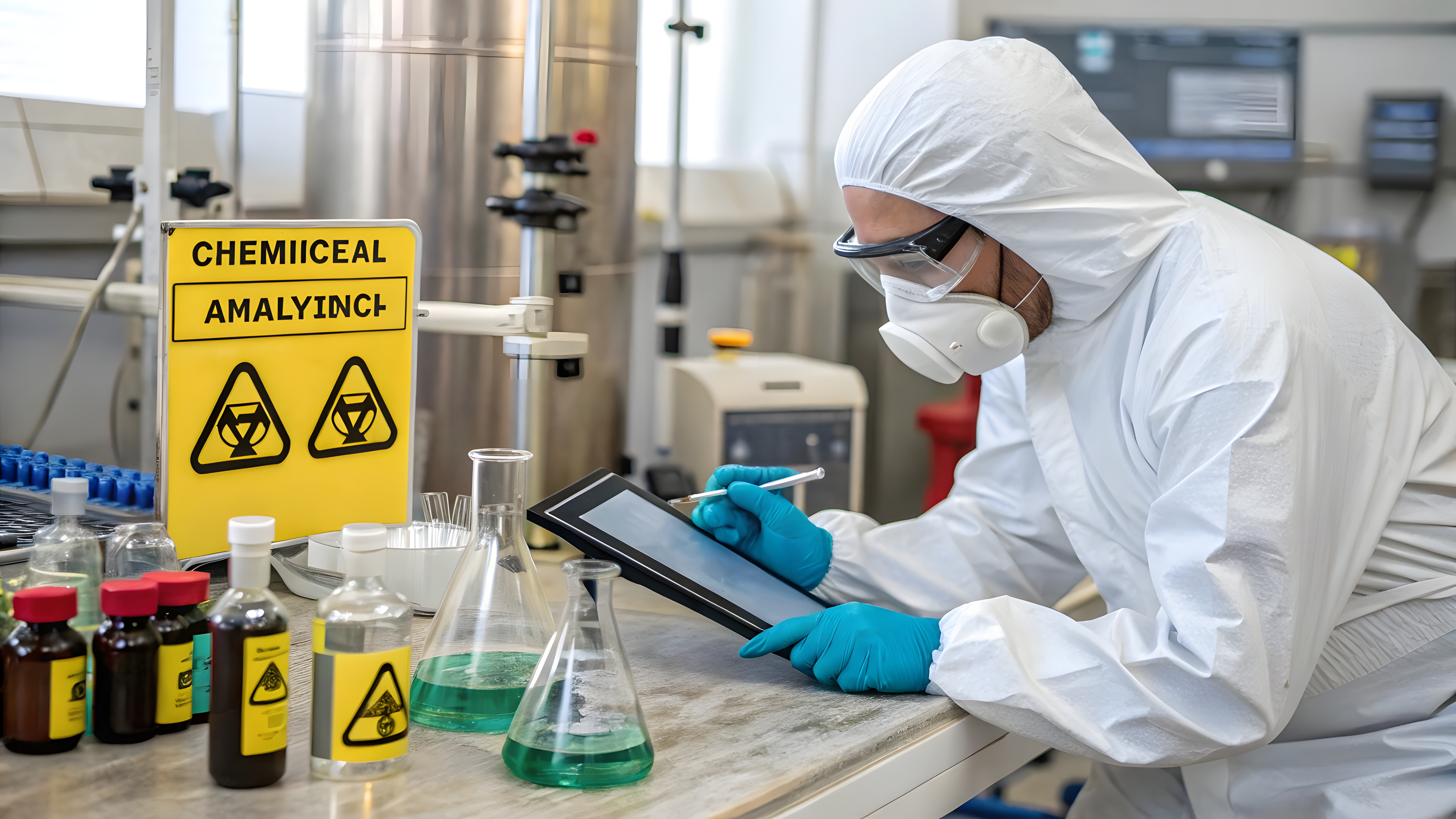
When hospitals and clinics reprocess medical devices, scopes, probes, small instruments, the typical model has relied on chemicals, water, consumables, and frequent upkeep. Over time, that means recurring purchases, waste streams, chemical exposure risk, and ever-rising costs.
But what if you could reprocess devices for a decade with no chemicals, no water, no single-use consumables, and minimal ongoing maintenance? That’s exactly what UV Smart’s UV-C based approach offers. It represents a true paradigm shift in sustainable, long-term infection prevention.
Why Long-Term Matters
Medical devices are expensive and reprocessing them safely between patients is non-negotiable. Traditional chemical disinfection and washer-disinfector systems often involve:
- recurring purchases (chemicals, disinfectants, wipes, containers)
- water consumption and wastewater treatment
- handling and disposal of hazardous chemicals
- device downtime, maintenance, possible damage over time
Every cycle adds cost, workload, and environmental burden. Over several years, these add up, not just in euros/dollars, but in emissions, waste, and logistical complexity.
A Cleaner, Greener Alternative: UV-C Disinfection
UV Smart’s devices like the D60 and D45 use Impelux™, a proven UV-C based technology, to deliver high-level disinfection without chemicals, without water, and with low energy consumption.
Using UV-C instead of chemical reprocessing can significantly reduce a hospital’s environmental footprint. In one comparative facility study, switching to the UV Smart D60 eliminated the need for ~7,873 liters of water and ~1,548 liters of chemical disinfectant annually. It also cut 3,686.8 kWh of energy use and avoided CO₂ emissions from transport of instruments for central-site decontamination.
Further, UV-C reprocessing can lower per-cycle carbon emissions to as little as one-sixth of traditional methods.
The 10-Year Vision: Stability and Sustainability Combined
By eliminating consumables and water, and drastically reducing chemical usage, UV Smart’s UV-C devices become far more than a short-term convenience, they become long-term assets. Over 10 years, the profits accrue dramatically:
- Cost savings: No recurring chemical or consumable orders; fewer maintenance cycles; reduced labor.
- Waste reduction: Dramatic cuts in hazardous chemical waste, packaging waste, single-use items, wastewater.
- Carbon & water footprint: Lower CO₂ emissions, elimination of transport-related emissions, significant water savings.
- Operational reliability: A repeatable, standardized disinfection cycle that doesn’t vary with supply chain, manual errors or consumable shortages.
This is precisely the vision promoted by the Green Standard: a sustainable, compliant, and efficient alternative to traditional disinfection workflows.
What This Means for Hospitals, Clinics, and Healthcare Systems
For budget-conscious hospitals, the 10-year, 0-consumables model simplifies procurement and maintenance planning. Instead of budgeting for recurring chemicals, water, and consumables, they make a one-time investment and then reap the environmental and operational returns year after year.
For sustainability-minded institutions, this helps align disinfection practices with broader climate and circular-economy goals. In the Netherlands (and beyond), initiatives like the Green Deal for Sustainable Healthcare push care providers to slash CO₂ emissions, reduce material waste and adopt circular practices. UV-C reprocessing directly supports those goals.
For infection-prevention teams, it means predictable, validated disinfection cycles that maintain high hygiene standards without the logistical headache of ordering, storing, disposing, or mixing chemicals.
Real-World Impact: Beyond Theory
- UV Smart’s own sustainability reporting highlights the elimination of water/chemical use and disposables.
- The Green Standard, developed to guide hospitals in integrating UV-C devices, demonstrates that UV-C reprocessing can be done safely, effectively, and in compliance, while cutting waste and emissions.
- Case studies show that switching to UV-C can free up staff time for example, fewer labor hours spent on chemical reprocessing, warehousing, transport, and disposal.
Taken together, the evidence shows that UV-C disinfection isn’t just “greener”, it’s smarter, more efficient, and increasingly essential for the future of sustainable healthcare.
Conclusion: A 10-Year Commitment to Cleaner, Greener Care
Choosing UV Smart’s UV-C disinfection devices is more than a technical upgrade. It is a long-term commitment to sustainability, cost-efficiency, and operational simplicity. By eliminating consumables, water, chemical waste, and transport burdens while maintaining high-level disinfection, UV-C reprocessing embodies what modern healthcare needs: reliability, safety, and environmental responsibility.
As regulatory and societal pressure mounts for greener healthcare, adopting a10-year, 0-consumables disinfection solution positions care providers as forward-looking leaders, reducing their carbon footprint, cutting operational costs, and simplifying their workflows.
Do you want to talk to one of your peers? Click here to request a call with a reference site of your choice.

.png)
.png)


.jpg)
