


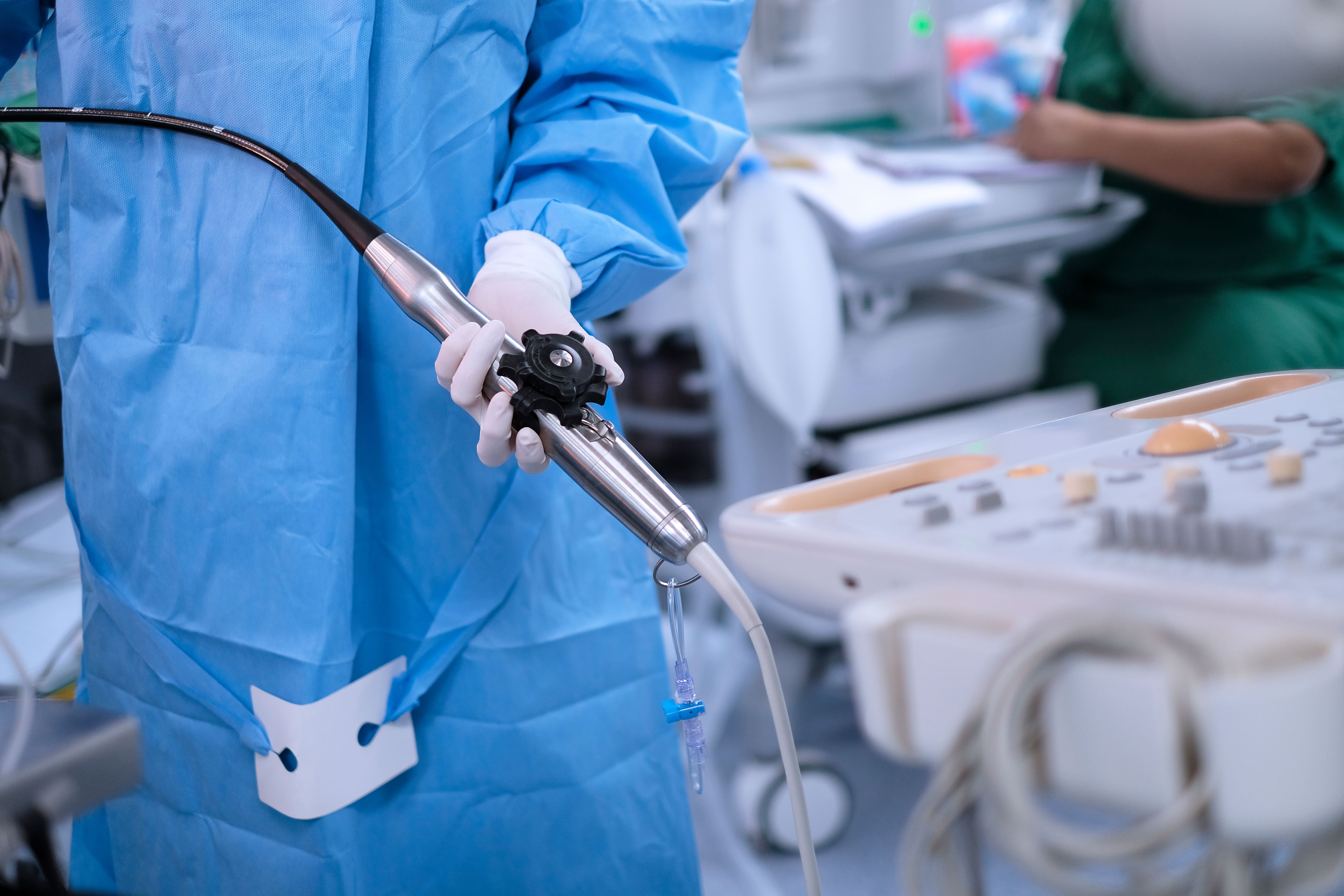
In cardiology, few tools are as essential, and as frequently reused, as the transesophageal echocardiography (TEE) probe.
Yet for many hospitals across Europe, TEE probe reprocessing is still handled as a background task, not a strategic operational decision. The result is a set of hidden costs that quietly affect staff efficiency, operating room schedules, budgets, and patient flow, often without being obvious on official financial reports.
TEE Reprocessing Is an Operational Dependency, Not Just a Clinical Step
TEE probes are used throughout:
- Catheterization labs
- Operating rooms
- Intensive care units
- Imaging departments
When a TEE probe isn’t ready on time, procedures can wait and these minutes quickly become measurable costs.
Delays in device availability can lead to:
- Procedure start times slipping
- Anesthesia teams on hold
- Staff overtime
- Clinic throughput reductions
This isn’t a failure of personnel; it’s a reflection of process variability in an environment where predictability matters. Manual workflows often depend on staffing levels and moment-to-moment priorities, which makes consistency difficult.
The Visible and Invisible Costs of Manual Reprocessing
When most departments think about device reprocessing, they count obvious line items (cleaning supplies, staff time). But beneath the surface lies a cluster of indirect costs:
1. Staff Time and Workflow Interruptions
Manual probe reprocessing requires dedicated staff attention in already busy departments. This translates to:
- Reduced availability for other clinical tasks
- Increased workload pressure on nursing or tech staff
- Interruptions during peak periods
Healthcare professionals and departmental leaders increasingly view manual reprocessing as an efficiency drag, not an isolated task. Automated systems can free time for higher-value clinical work, which improves overall productivity.
2. Procedure Delays and Room Idle Time
If a probe isn’t ready when a procedure is scheduled, the cost isn’t just the few minutes lost. Operating room or cath lab time is expensive, often thousands of euros per hour, and idle time erodes efficiency and revenue.
These workflow bottlenecks are an operational cost, not merely a clinical inconvenience.
3. Consumables and Predictability
Manual high-level disinfection depends on consumables (chemicals, wipes, trays), whose costs fluctuate and are difficult to forecast. A European economic evaluation of reusable probe reprocessing highlighted time savings and cost-effectiveness advantages of machine-based methods over manual approaches.
When departments can’t forecast consumable usage consistently, budgeting becomes harder and costs creep upward.
4. Device Lifespan and Downtime
Traditional chemical disinfection methods can be harsh on delicate equipment, especially with frequent cycles. Probe damage leads to:
- Repair costs
- Unplanned replacement costs
- Device downtime (which slows procedures even more)
UV Smart has highlighted that chemical-free, gentle disinfection systems help preserve TEE probe integrity and reduce equipment damage, supporting both safety and financial sustainability.
Manual Systems Are System Risks, Not Just Personnel Challenges
Manual reprocessing assumes:
- Every step is performed perfectly
- Every operator is equally trained
- Every procedure follows the same pace
In practice, hospitals face:
- Staff turnover
- Variable workloads
- Competing priorities
- Documentation gaps
Inconsistent execution doesn’t just affect safety, it affects predictability, which is central to operational planning.
European hospitals report that administrative and validation burdens around device workflows have increased under regulatory changes, highlighting the value of standardized, reliable processes that reduce variability between users and settings.
Safety and Efficiency Are Complementary, Not Competing Goals
In high-acuity specialties like cardiology, leaders often view safety and efficiency as opposing priorities. They shouldn’t be.
Reliable systems achieve both:
- Reduced variability, which enhances safety
- Predictable turnaround, which improves efficiency
- Clear documentation, which supports audits and compliance
Consistent probe readiness means fewer delays, less stress for staff, and more predictable scheduling. This supports quality care and mitigates hidden workflow costs.
Why European Cardiology Leaders Are Rethinking Probe Reprocessing
Forward-thinking departments increasingly ask:
- How predictable is our probe availability?
- How often do delays affect throughput?
- What portion of staff time is devoted to reprocessing?
- Can we reduce operational friction without sacrificing safety?
Across the region, hospitals and cardiology units are adopting validated, automated disinfection workflows that support:
- Stable operational planning
- Reduced workload pressure
- Better staffing utilization
- Clear, repeatable outcomes
UV Smart’s UV-C disinfection solutions are positioned to provide consistent, documented outcomes that fit into busy cardio workflows without adding complexity.
Making the Invisible Costs Visible
TEE probe reprocessing may not be the flashiest part of cardiology care, but its influence touches:
- Staff satisfaction
- Patient safety
- Department efficiency
- Financial performance
When leaders make these hidden costs visible, they often find opportunities to improve operations without asking teams to work harder.
Final Thought
In cardiology, every minute matters, whether it’s in a cath lab, an operating room, or an ICU. TEE probe readiness should be viewed not as a background task but as a strategic operational asset.
Reliable reprocessing is not just a compliance checkbox. It’s a way to protect flow, empower staff, and make every procedure count.
Get Your Free Report
Learn how validated UV-C disinfection can optimize TEE probe readiness, reduce variability, and support operational performance in your cardiology department. Click here for your free customized report.

.png)
.png)


.jpg)
